01CLIENT
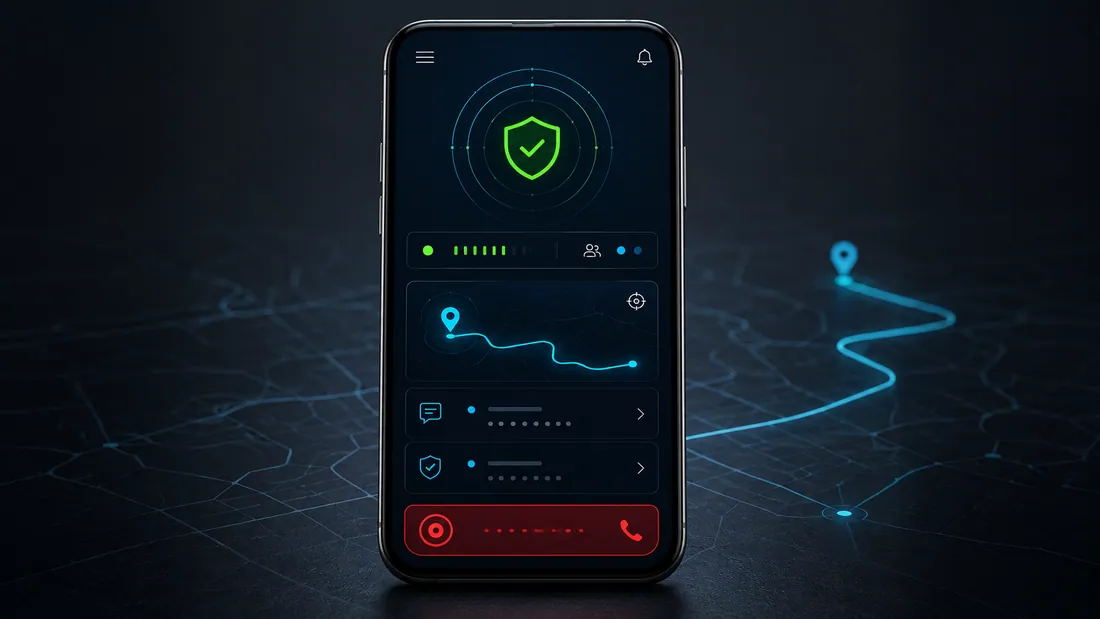 CLIENT APP
Simple and discreet.
Relevant status, direct assistance and protected communication without operational noise.
- Assistance access
- Relevant updates
- Privacy by role
Sentinel is the Celsus operational security environment for managing protection, movement, intelligence, communications and response. It supports Celsus-led operations and can also extend the capability of client security teams and approved operational partners.
We establish the objective, risk context, responsibilities and escalation paths before activity begins.
We coordinate the people, information, transport, communications and resources required to support the client.
Our Control Center maintains the operating picture, monitors relevant change and coordinates escalation when action is required.
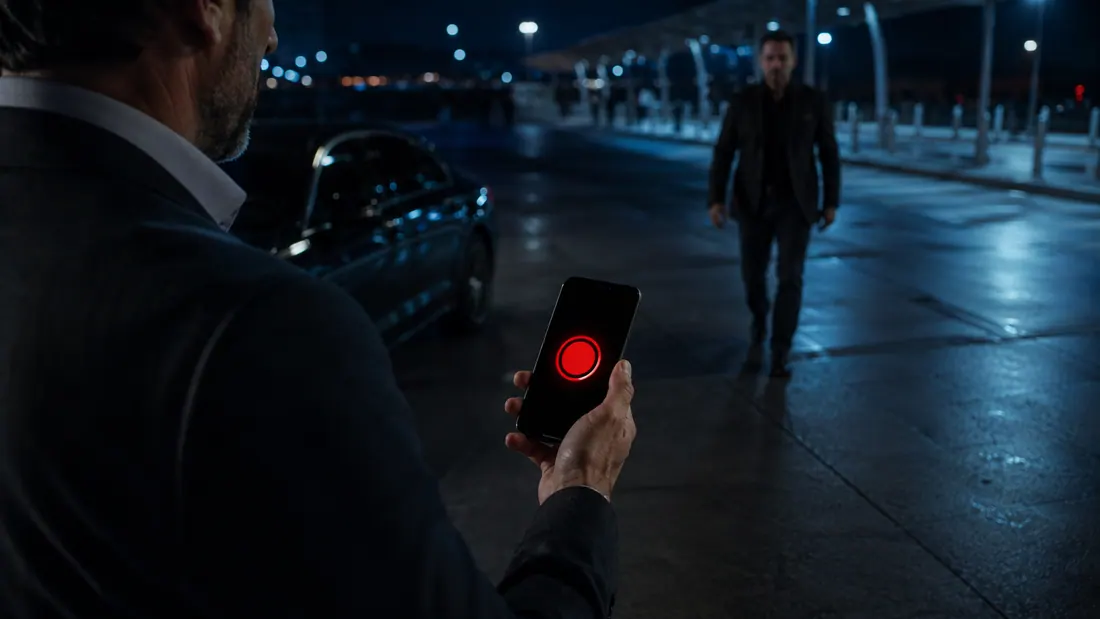
The request can provide relevant client and location information to the Control Center. Celsus confirms the situation, follows the agreed escalation plan and keeps the client updated through protected channels.
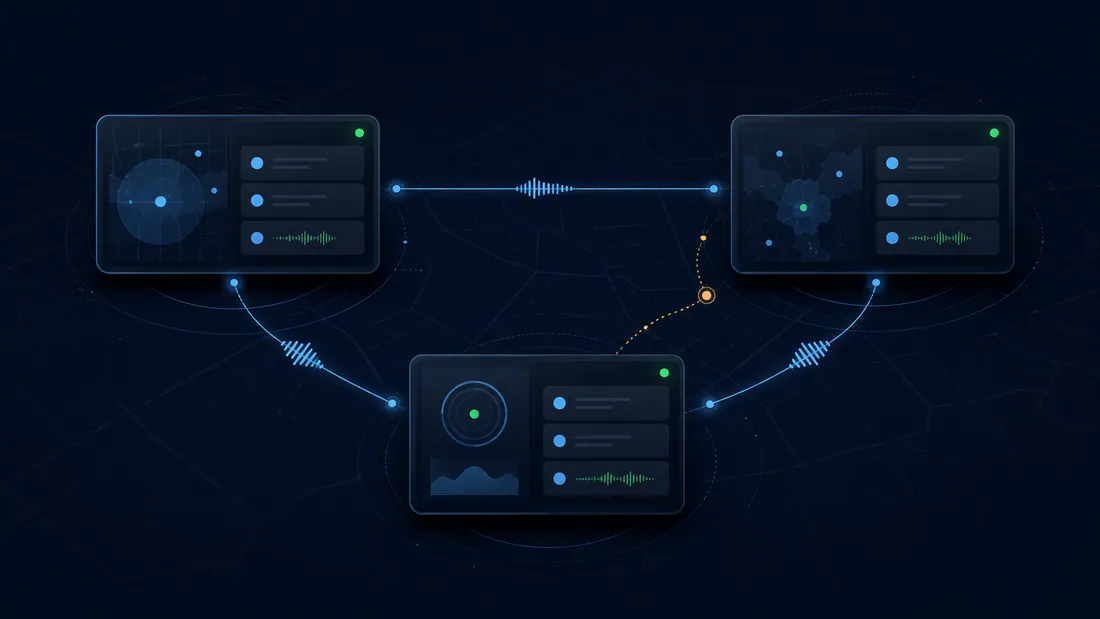
Clients, teams and the Control Center can remain connected through protected primary and alternative channels. If one path becomes unavailable, the communication plan provides another route.
A discreet emergency request with client and location context.
Fast coordination between approved mission personnel.
Updates, instructions and attachments linked to the mission.
Direct call and alternate channels defined around the mission.
CLIENT APPRelevant status, direct assistance and protected communication without operational noise.
 FIELD COORDINATION
Approved personnel receive the mission context, tasks and communication needed to execute.
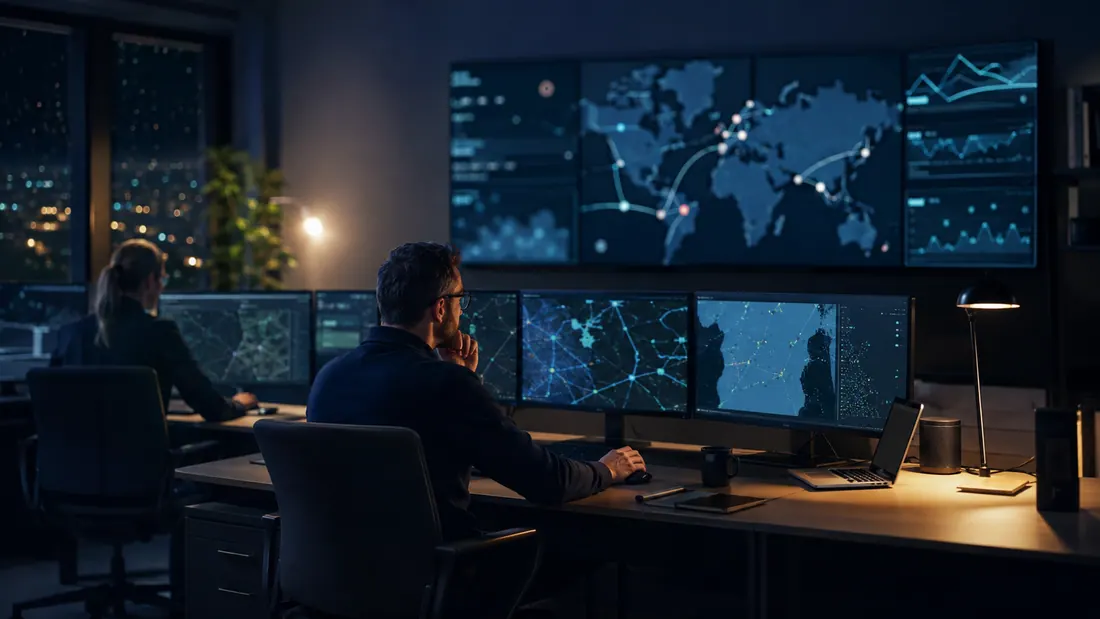 OPERATIONAL OVERSIGHT
Celsus maintains the wider operating picture, monitors change and coordinates escalation.
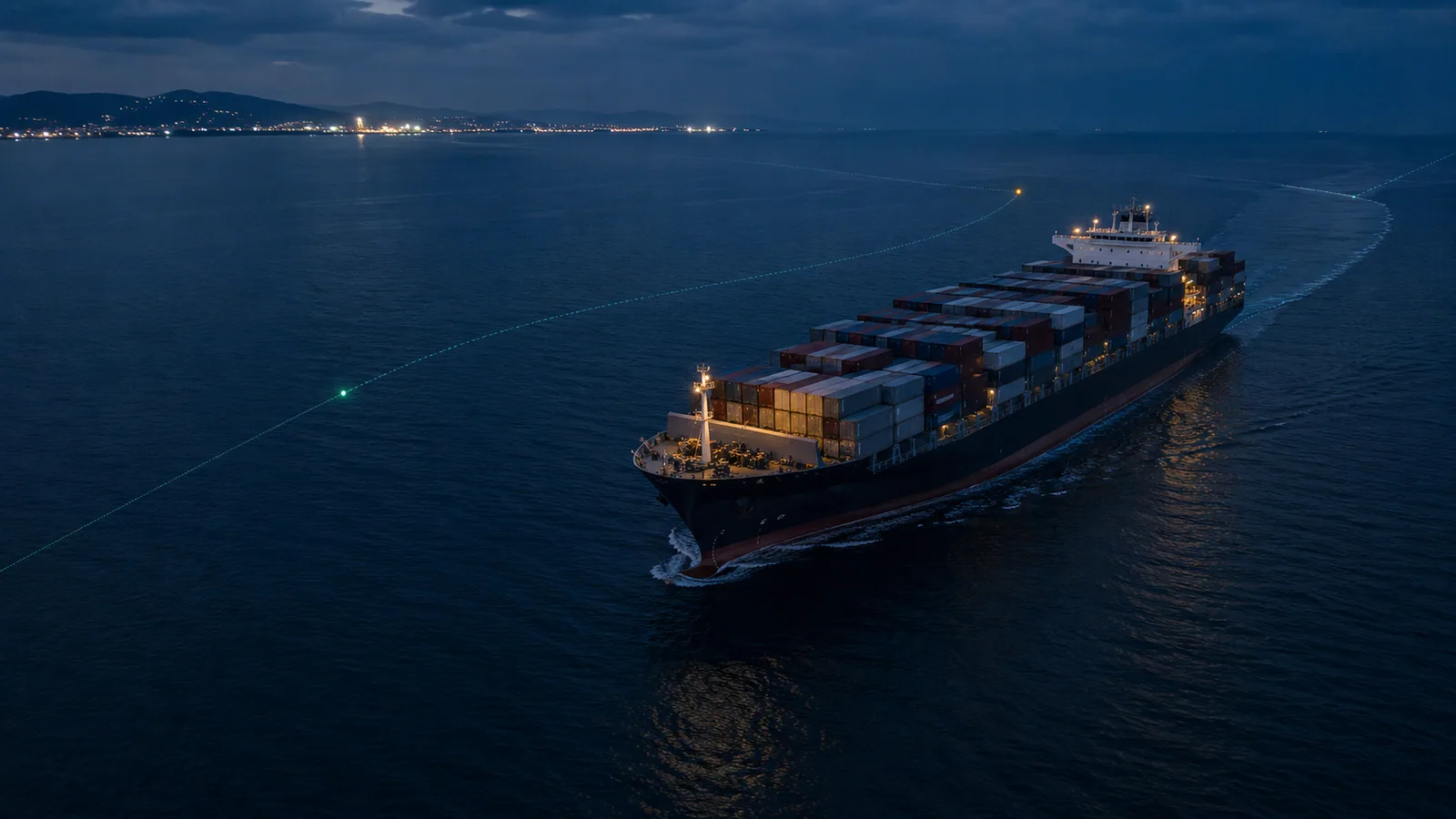
We align the route, schedule, transport providers, custody points, responsibilities and response thresholds before the shipment moves.
Milestones, provider updates, handovers and relevant changes remain tied to the same operational picture throughout the movement.
When an agreed threshold is crossed, Celsus coordinates the client, approved teams and relevant providers around the established response path.
Relevant risk, movement, personnel and incident information is connected to the same operating picture.
A clearer basis for decisions.Celsus aligns operators, local providers, assets and communications behind one agreed plan.
One accountable point of control.Contacts, thresholds, context and response paths are established before a situation develops.
Action starts with context.Operational knowledge remains available across journeys, locations, teams and changing circumstances.
Protection does not reset each time.People, movement, intelligence, assets and communications remain connected to the same operating picture.
Sentinel supports both active missions and retained protection relationships. Celsus keeps the relevant plans, people, intelligence, communications and escalation routes connected so that urgent decisions do not begin with information gathering.
Technology supports that continuity. It does not replace professional judgment, local expertise or human responsibility.
Identify dependencies, thresholds and likely failure points before execution.
Maintain awareness of people, movement, assets and relevant external conditions.
Connect the right people and response path when circumstances cross agreed thresholds.
Move to alternate channels, routes, procedures or resources when the primary path fails.
For the client, Sentinel can remain quiet until an update, decision or response is required. For an operator, it provides the approved brief and communication path. For the Control Center, it provides the operational picture and authority to coordinate.
The interface changes with the role. The underlying objective does not: maintain awareness, continuity and a clear path to action.
Celsus owns the operating picture, coordinates approved personnel and providers, and uses Sentinel as the environment for planning, monitoring, communications and response.
Typical fitPrivate clients, executive protection, sensitive travel and managed operational support.The client retains operational ownership while Sentinel adds shared visibility, mission coordination, field communication and structured escalation across the existing security model.
Typical fitCorporate security, GSOC, executive protection and travel-risk functions.Selected operational partners can work through Sentinel within a defined governance model, with role-based access and clear separation between client, field and control responsibilities.
Typical fitSpecialist providers and trusted delivery partners operating within a Celsus-governed mission.Commercial structure depends on operating responsibility, number of users or missions, service coverage, integrations and whether Celsus is providing managed delivery in addition to platform access.
Discuss the right Sentinel model →Sentinel can support a single journey, an active mission, an internal security team or an ongoing managed protection relationship. The starting point is your exposure, your priorities and the level of continuity you require.